Review VTs prepared for coding
In the Medical Coding module, reviewing verbatim terms (VTs) prepared for coding is a crucial step to ensure accurate term assignments using standardized dictionaries like MedDRA and WHODrug. During this process, you can verify what VTs have been extracted from source data files and identify which terms still need to be assigned.
-
In the Medical Coding application header, select the CODING tab.
 Figure 1. Accessing coding functionality
-
On the VT List page that opens, in the table, review a list of VTs prepared for coding, as explained in the following table.
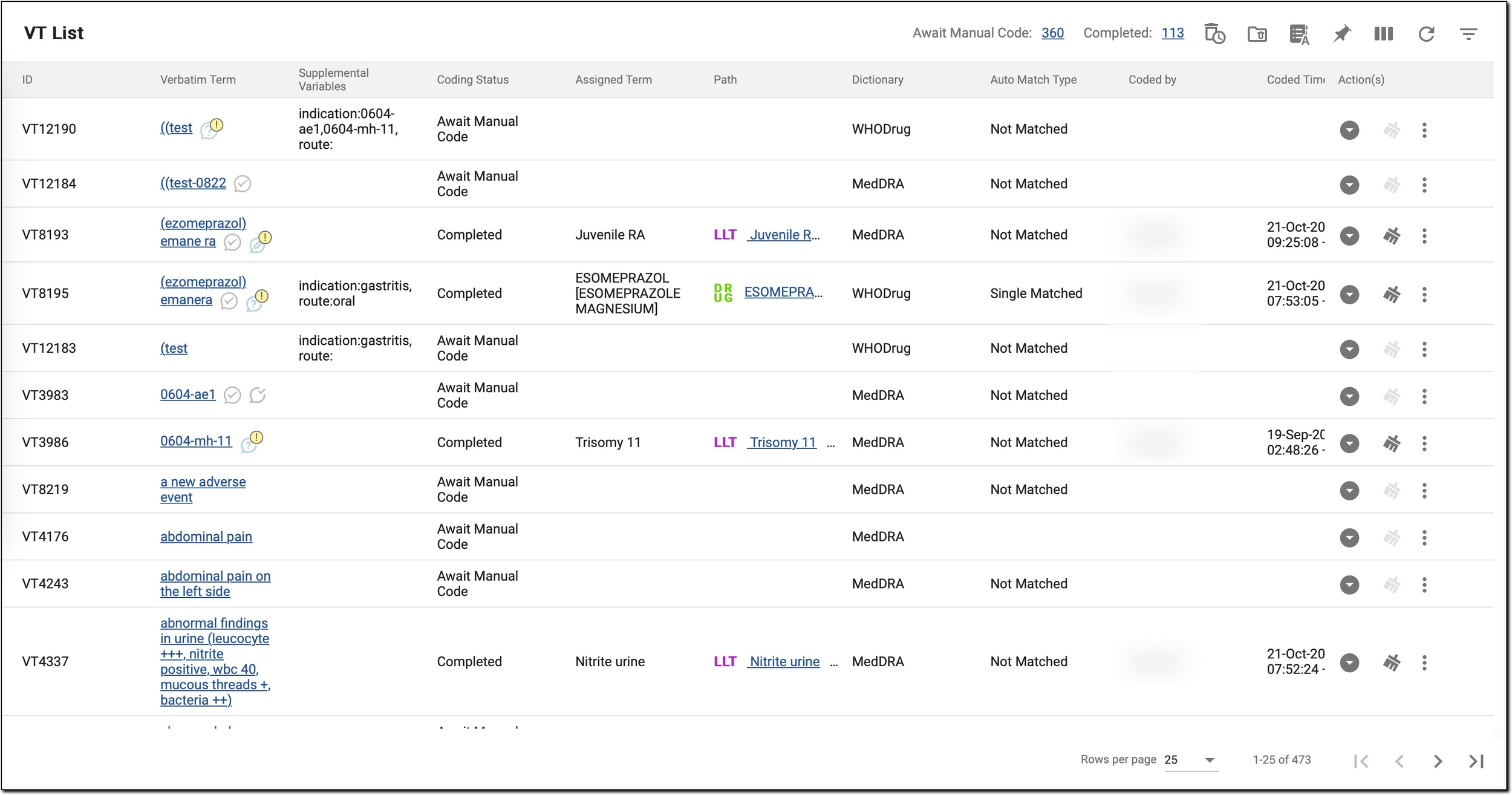 Figure 2. Reviewing VTs prepared for coding
Tip
For your convenience, above the table, you can select the Awaiting Manual Code or Completed filters to:
-
Awaiting Manual Code: to display only verbatim terms that have not yet been coded.
-
Completed: to show only the coded terms.
Column
Details
ID
A unique identifier for each VT entry. This ID allows easy reference to specific terms within the list.
Verbatim Term
The actual text or phrase as it appears in the source data. This is the original term provided upon initial data collection, which must be mapped to a standardized term in the coding dictionaries.
Supplemental Variables
Additional contextual information related to each verbatim term. These variables may include specific details from the source data, such as indication or route, which help provide context when coding the term.
Coding Status
Indicates the current progress of the coding for each VT. Possible statuses include:
-
Await Manual Code: the standardized dictionary term has not yet been assigned to a verbatim term and requires manual coding.
-
Completed: the standardized dictionary term has been successfully assigned to a verbatim term and coding is complete.
Assigned Term
The standardized term from either MedDRA or WHODrug dictionaries that has been assigned to the verbatim term. This term represents the medically or scientifically accepted equivalent of the original verbatim term.
Path
The hierarchical path in the coding dictionary (MedDRA or WHODrug) where the assigned term is located. This path helps you navigate through the dictionary's structure to find specific terms.
For example, for the verbatim term "abnormal findings in urine (leucocyte +++, urine nitrite positive, wbc 40, mucous threads +, bacteria ++"), you might see the following in the Path column:
-
LLT: Nitrite urine
-
PT: Nitrite urine
-
SOC: Investigations
This means that for this verbatim term, the coder assigned it to the following terms:
-
LLT (Lowest Level Term): Nitrite urine
-
PT (Preferred Term): Nitrite urine
-
HLT (High-Level Term): Urinalysis NEC
-
HLGT (High-Level Group Term): Renal and urinary tract investigations and urinalyses
-
SOC (System Organ Class): Investigations
Dictionary
Specifies which dictionary was used to assign the standardized term. Possible dictionaries include:
-
WHODrug: used for drug names and related terms.
-
MedDRA: used for medical conditions, adverse effects, and other clinical terms.
Auto Match Type
Indicates the result of an automatic matching process, if available. Possible types include:
-
Not Matched: no match was found in the dictionary, and the term requires manual coding.
-
Single Matched: one unique match was found in the dictionary, which can be used directly.
-
Multi Matched: multiple potential matches were found, and the coder must choose the correct one manually.
Coded by
The username of the person who assigned the standardized term to the verbatim term. This helps track who completed the coding for each entry.
If the term was coded automatically, this field displays System.Coded Time
The date and time when the coding was completed. This timestamp is useful for tracking coding activity.
-
-
If you need more information about the verbatim term, in the Actions column, select
 . Then, in the expanded Term Source table, review additional details about the selected VT as explained in the following table.
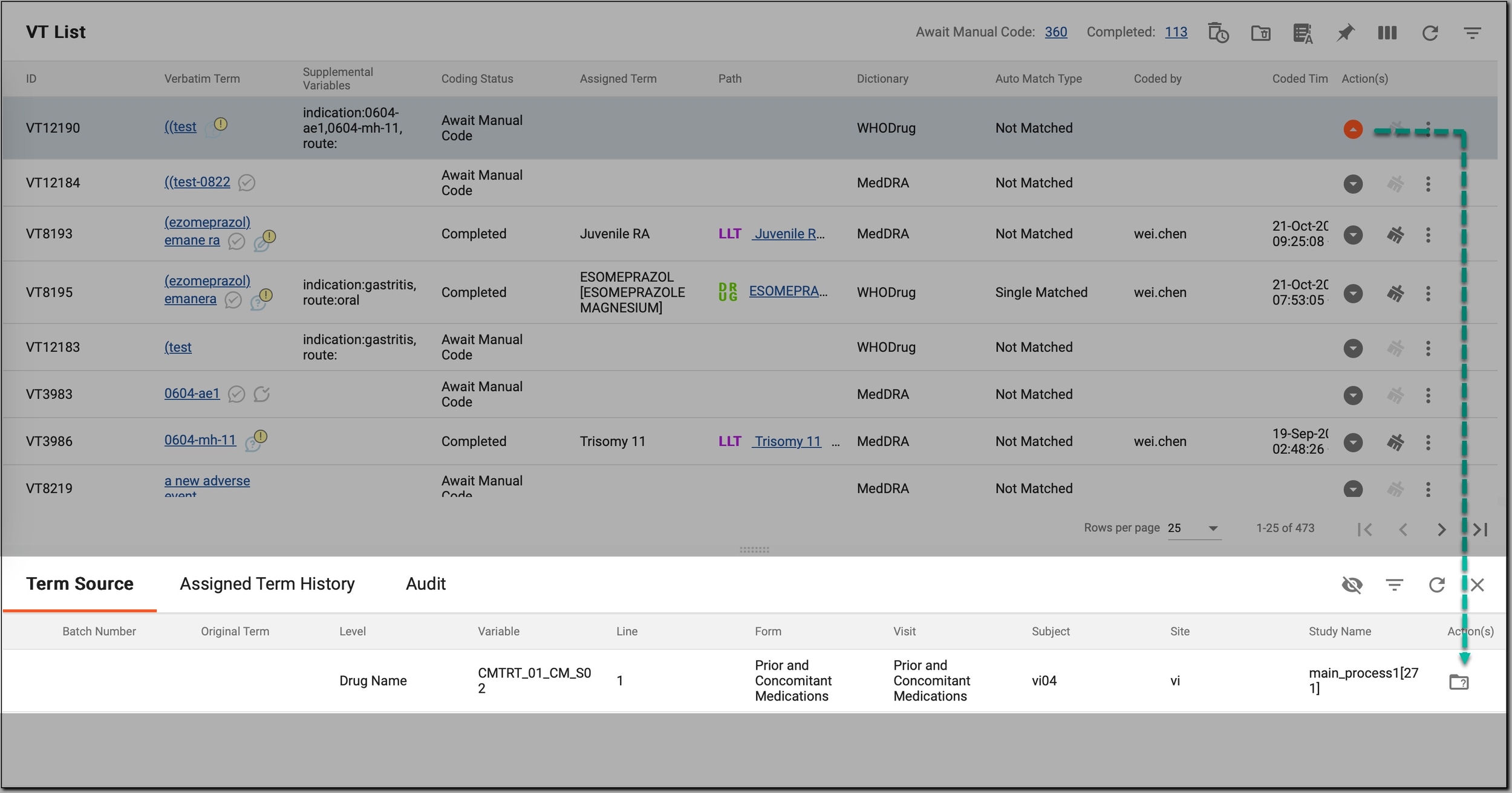 Figure 3. Reviewing additional VT details
Column
Details
Term Source
Identifies the origin of the verbatim term, such as the eClinical EDC system or another source. This helps track where the term was initially recorded.
Term
Displays the raw, unprocessed verbatim term as it was extracted from the source data.
During extraction, the CODING system always converts terms to lowercase in order to remove duplicates. Therefore, this column helps you understand what the term originally looked like before any processing or modification.Batch Number
Refers to the coding batch in which the term was included.
Original Term
Shows the exact wording of the term as it was initially recorded in the source system before any splitting. It serves as a reference to the unaltered version of the term prior to the application of any split rules.
Level
Reflects the specific hierarchical layer within the coding structure—specified at the study setup phase in the Coding Admin module—that defines the depth of the term in the coding hierarchy.
In dictionaries like MedDRA or WHODrug, terms are organized in levels, with each level corresponding to a different level in the hierarchy:
-
MedDRA example: levels may range from Preferred Term (PT) to higher levels such as System Organ Class (SOC).
-
WHODrug example: levels include Drug Name (base level), Ingredient (a higher level), or Substance Name (the most granular classification).
So, basically, the Level value indicates the layer of the term being coded.
Variable
Represents the variable name from the source data file or from the EDC system that contains the verbatim term, such as AETERM, CMTRT, MHTERM, and others.
Line
Refers to the line number in the source file where the term was found. This detail assists in locating the term in its original dataset for verification or review.
Form
Indicates the form in which the term was recorded, such as a specific case report form (CRF). This helps you understand the data’s context within the study structure.
Visit
Specifies the visit name in the study at which the term was collected. This can help in understanding temporal aspects of the study data.
Subject
Refers to the participant identifier, linking the term to the specific subject in the study from whom the data was collected.
Site
Identifies the study site where the data was collected. This information can help in tracking study data across different locations.
Study Name
Indicates the name of the study in which the data was collected, helping to contextualize the term within a specific study framework.
Action(s)
This column helps you take actions on the term, such as querying the original source data for additional information or validation.
-
Now that you have reviewed the VTs that are matched or still pending, you can proceed to assign standardized terms from MedDRA or WHODrug dictionaries automatically or manually, ensuring consistent and accurate coding across the dataset.