Perform depot inventory reconciliation
An inventory reconciliation at the depot is a practice mostly performed by the clinical research associate (CRA) to ensure the number of items to be destroyed is valid according to the quantity established at reconciliation by the site that returned items for destruction.
For instance, the CRA came to the site and validated the calculations on the leftover drugs and verified that the number of items to be returned to the depot for destruction was correct. Then the items are shipped back to the depot and now there must be another tier of reconciliation to ensure that the drugs are eligible for destruction. This process of revalidation is called reconciliation at the depot.
Important
In IWRS, the reconciliation functionality can be enabled or disabled individually for each product unit upon configuration.
The depot reconciliation list contains all the items for which the functionality is enabled and that were returned by the sites for destruction, however, you can select to view all the shipments together or any specific shipment using the Return Shipment dropdown menu on the workspace toolbar. This menu is only available in the review mode and becomes inactive when in the editing mode.
-
In the IWRS application header, select the DEPOT tab.
-
On the Depot List page that opens, in the table, select the depot code of your interest.
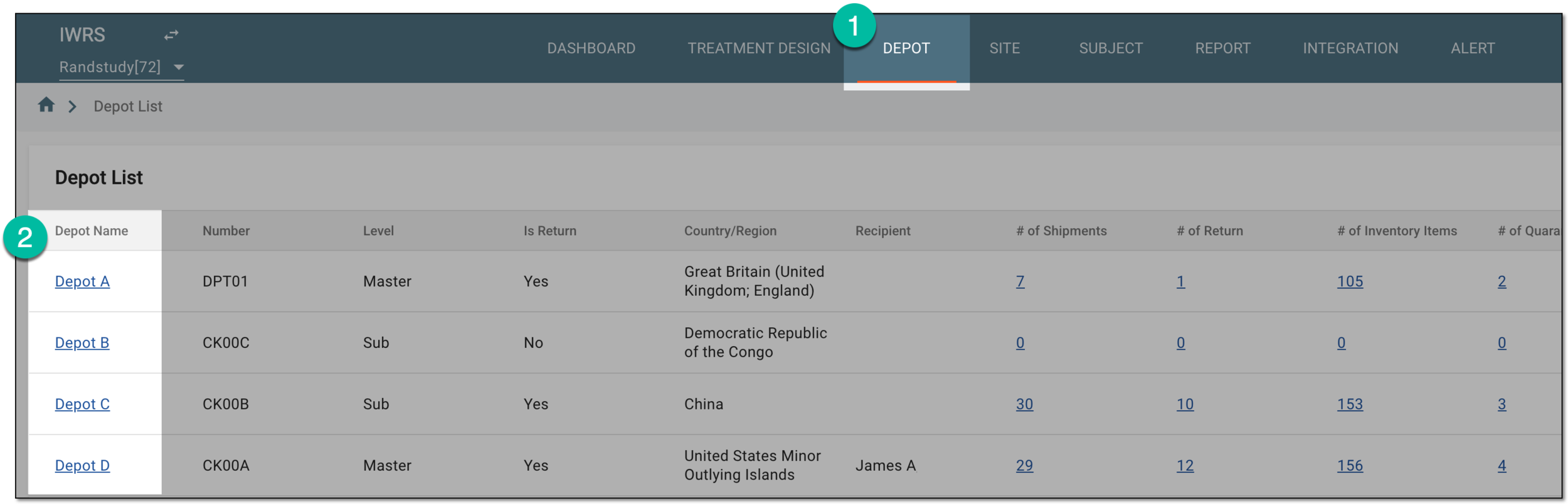 Figure 1. Selecting depot to open its details
-
On the page that opens, from the left pane, select Inventory.
-
On the inventory page, from the contents panel, select Reconciliation.
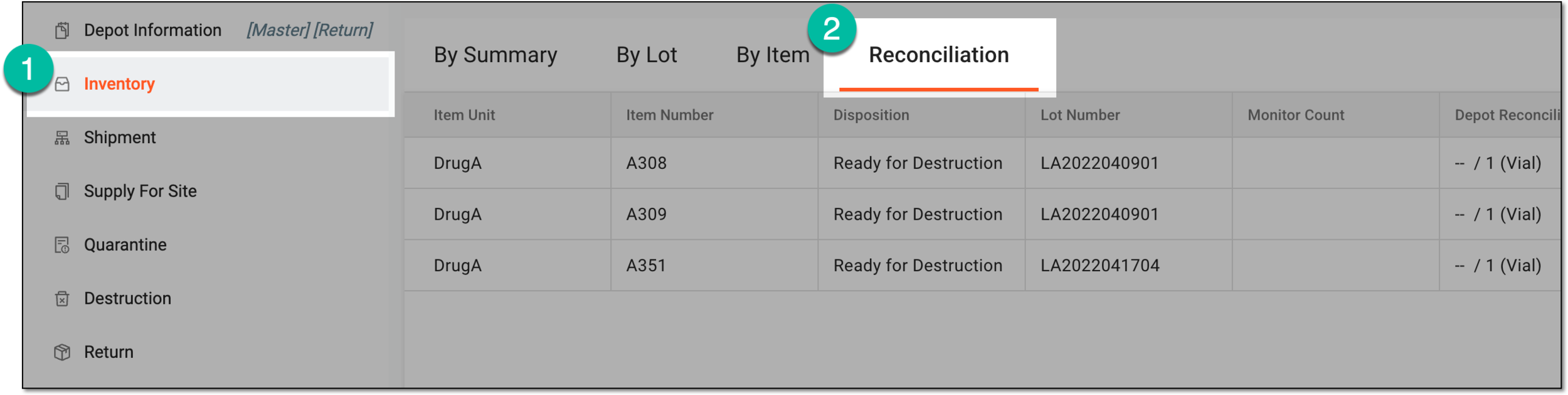 Figure 2. Accessing depot inventory reconciliation
Tip
Once you open the reconciliation page for a depot, you can use the breadcrumbs navigation to switch between different depots' reconciliation lists without returning to the Depot List page.
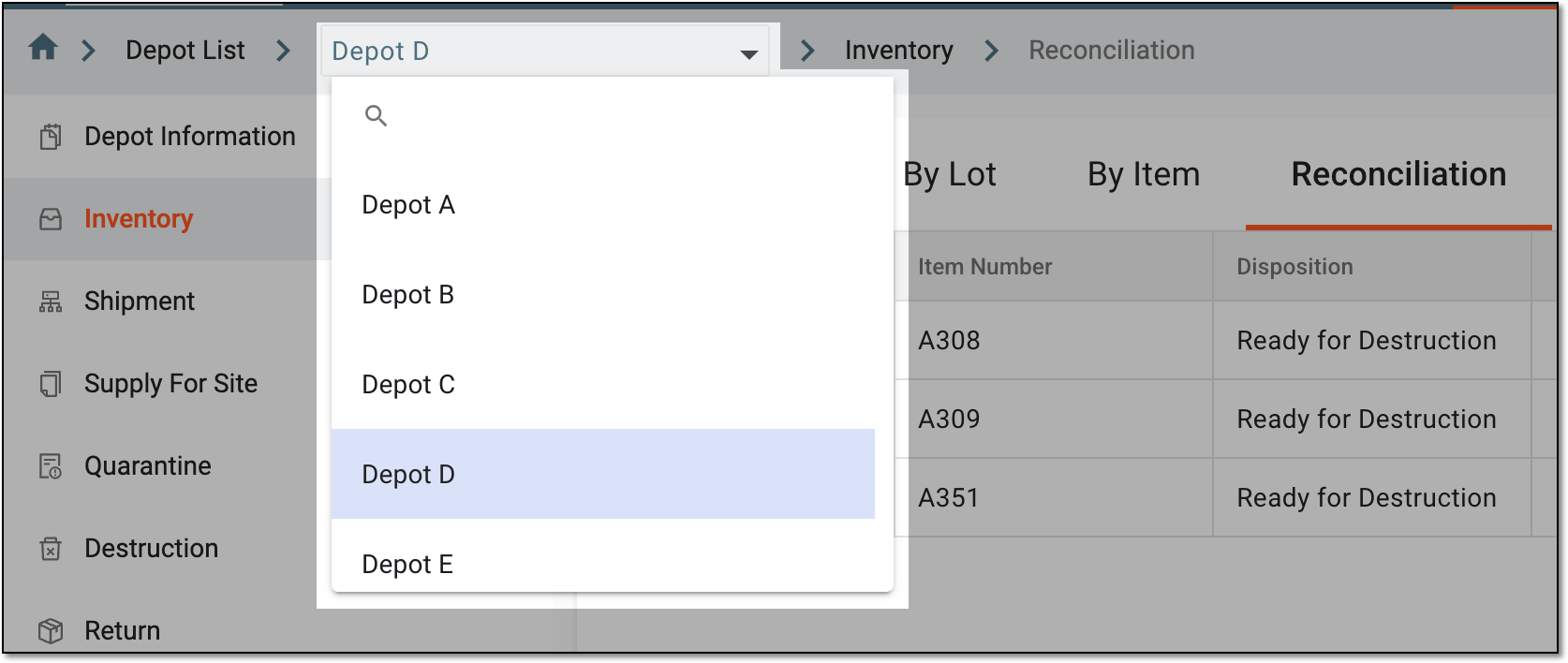 Figure 3. Switching depots from breadcrumbs
-
In the Reconciliation table, review the items intended for reconciliation as interpreted in the following table.
 Figure 4. Depot reconciliation list
Column
Details
Item Unit
Represents the unit (name) of items for reconciliation.
Item Number
Represents the unique number of the item.
Disposition
Represents the current status of the item in the site inventory, such as Available, To be Returned, or else.
Lot Number
Represents the unique identification number of the packaging lot to which the item belongs.
Expiration Date
Represents the expiration date of the item which is the same as the expiration date of its packaging lot.
Monitor Count
Represents the number of unnumbered items in a packaging intended for destruction at the depot as specified upon reconciliation at the site.
For instance, if there is a vial with five tablets intended for destruction, then this value is 5.
Depot Reconciliation Count
Represents the number of unnumbered items in a packaging that are confirmed to be destroyed out of the total number of items in a packaging as specified by the monitor upon reconciliation at the depot.
For instance, if there is a vial with a total of 12 tablets returned by the site and all 12 are confirmed to be destroyed, then this value is 12/12 (tablet).
Reconciliation Comment
Represents the comment added by the monitor upon reconciliation at the depot.
Reconciliation Status
Represents the current status of item reconciliation at the depot—Complete, With Discrepancy, or Not Reconciled.
Reconciled by
Represents the name of the user who performed reconciliation for the item.
Reconciled Time
Represents the time when the reconciliation is performed for the item.
-
From the workspace toolbar, select Edit
 and in the Reconciliation table,
perform actions as explained in the following table.
and in the Reconciliation table,
perform actions as explained in the following table. Figure 5. Reconciling items at depot
Element
Details
Depot Reconciliation Count
Enter the number of unnumbered items in a packaging that must be destroyed at the depot out of the total number of items in a packaging.
Reconciliation Comment
Enter a comment to support your reconciliation action and provide auxiliary information.
This field becomes mandatory if the Reconciliation Status is set to With Discrepancy.Reconciliation Status
Select the status of item reconciliation as follows:
-
Not Reconciled: select this status if you cannot reconcile the item at the moment.
-
Completed: select this status if reconciliation is completed and you can give a conclusion if the item is to be returned or destroyed.
-
With Discrepancy: select this status if reconciliation is completed and not all items from the packaging are intended for destruction.
If this status is selected, the Reconciliation Comment field becomes mandatory for completion.
Batch Reconcile
Select
 to reconcile all the items in a shipment at once (in batch) and set the Depot Reconciliation
Count value equal to the Monitor Count value automatically.
to reconcile all the items in a shipment at once (in batch) and set the Depot Reconciliation
Count value equal to the Monitor Count value automatically.In the confirmation dialog, select
 to proceed with your action.
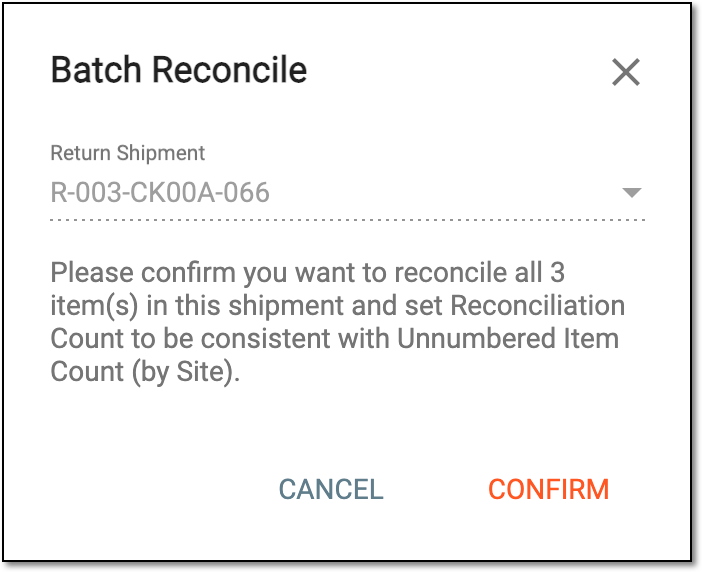 Figure 6. Confirming item reconciliation in batch
Save
Select
 to save the reconciliation results.
Restore
Select
 to restore the values in the Reconciliation table to the original and discard all your currently
applied changes, however, stay in the editing mode and start over.
to restore the values in the Reconciliation table to the original and discard all your currently
applied changes, however, stay in the editing mode and start over.Cancel
Select
 to discard all your currently applied changes and exit the editing mode in the Reconciliation table.
 -
Upon saving, the reconciliation for depot items is complete. The reconciliation list must now be signed by the user in charge to enable the reconciled items' destruction at the depot.