Add slider item to question
In Study Designer, study teams have a variety of tools to configure case report forms (CRFs) for data collection. There are various items— text fields, checkboxes, dropdown menus, date pickers, and more—that you can add as form fields next to their respective questions. You can place these fields on the form canvas, arrange them as needed, and make sure they are associated with the corresponding variables. This provides flexibility to outline the way each question must be answered by the user, and how the data must be stored by the system.
One of the items that you can add to the form questions is a slider. Sliders are most appropriate when the collected data is continuous or falls on a numeric scale. Sliders provide a visual representation of a range, allowing healthcare professionals who enter data in EDC or users of the eDiary and eCOA apps to select a specific point within that range.
For example, if you are collecting pain intensity ratings on a scale of 0 to 10, a slider can be used to capture the exact point on the scale.
Important
By updating a unique form, you introduce changes to all visit forms linked to it and vice versa.
-
In the Study Designer application header, select the CRF DESIGN tab.
-
In the toolbar, select the latest draft CRF version marked with the respective unlock symbol
 , otherwise, you cannot perform any actions.
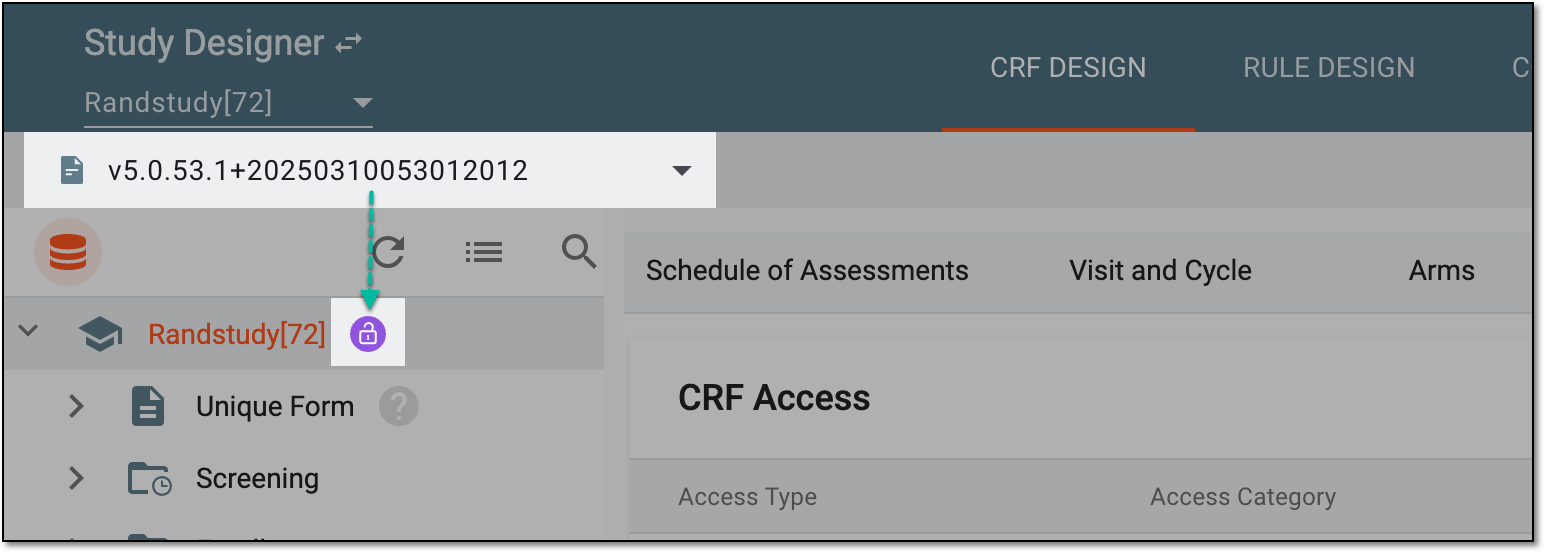 Figure 1. Selecting latest draft CRF version
-
In the left pane that appears, expand the unique form or any visit directory. Then select the needed form.
Tip
To locate the needed forms faster, use Search
 on the workspace toolbar of the
left pane.
on the workspace toolbar of the
left pane.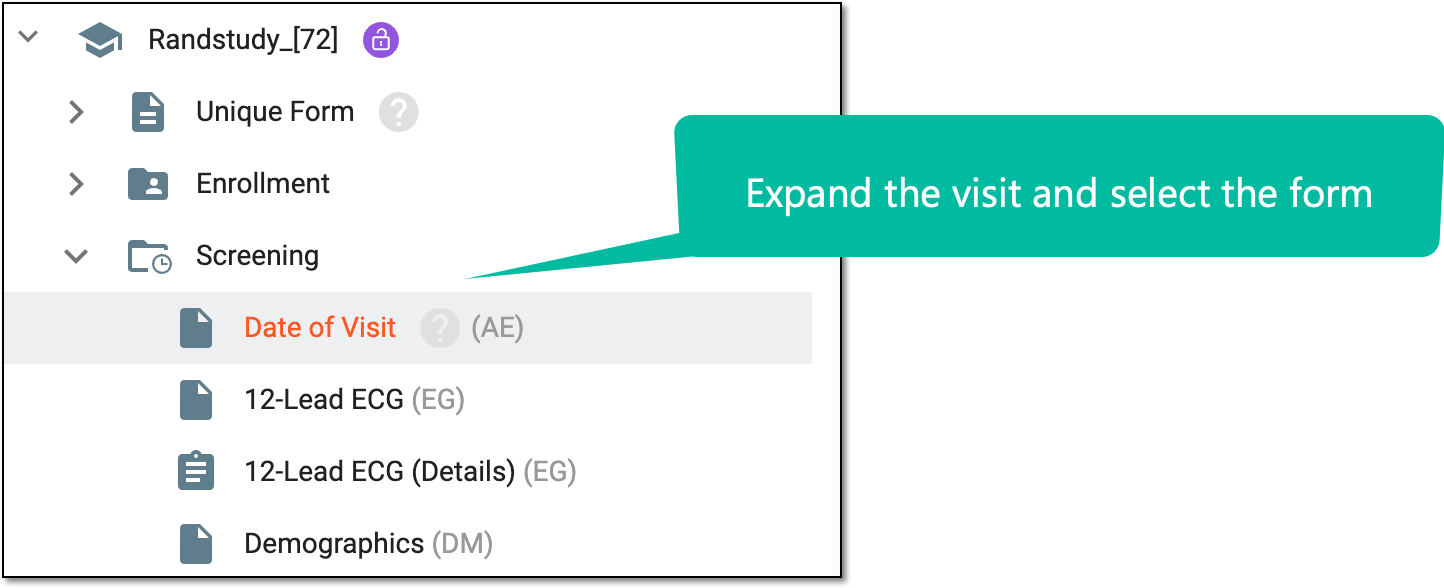 Figure 2. Accessing form to configure
-
On the form content page that appears, select the option to add a slider item to the question in one of the following ways:
-
From the action bar, select Slider
 .
.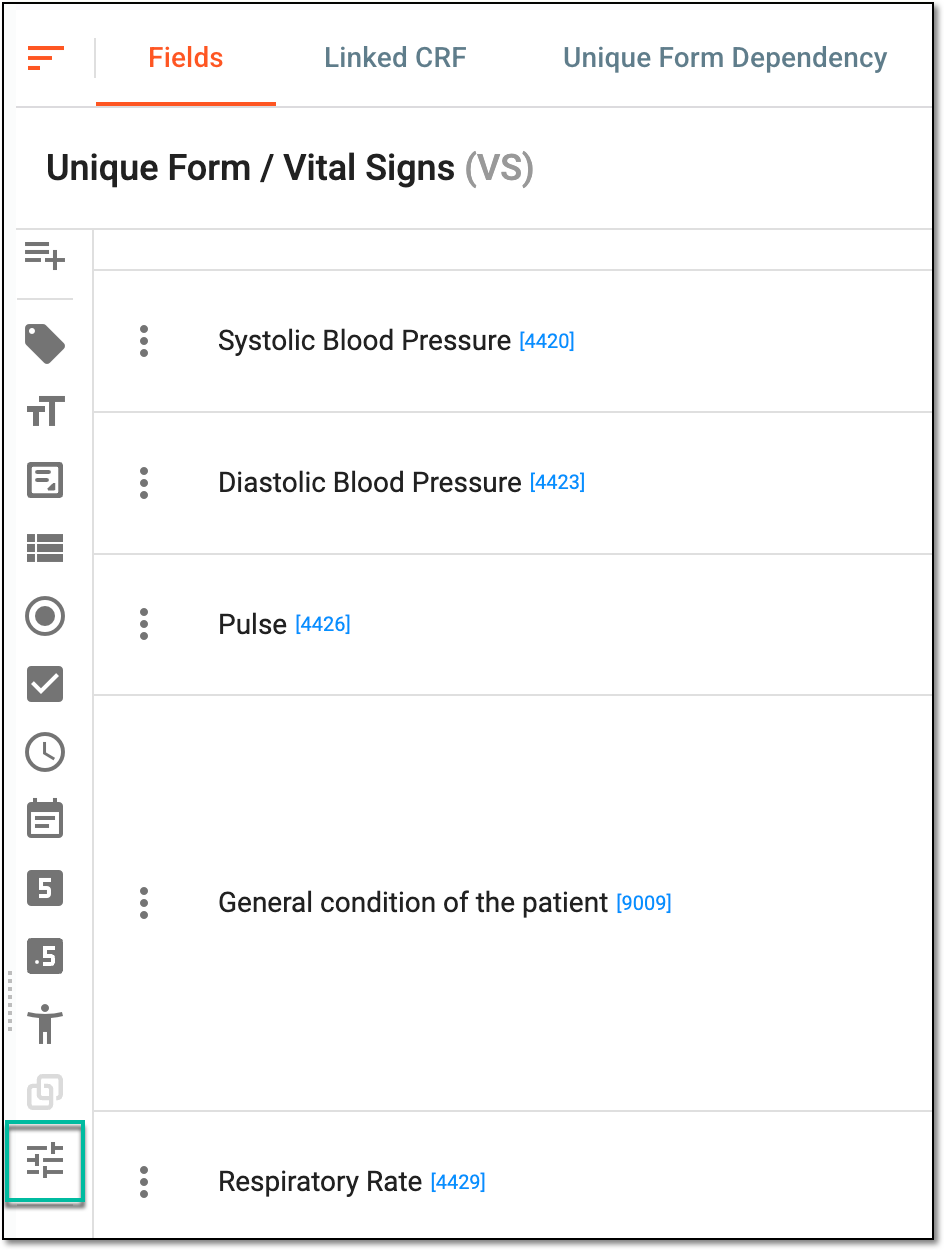 Figure 3. Selecting slider item
-
From the action bar, select and drag Slider
to the needed question.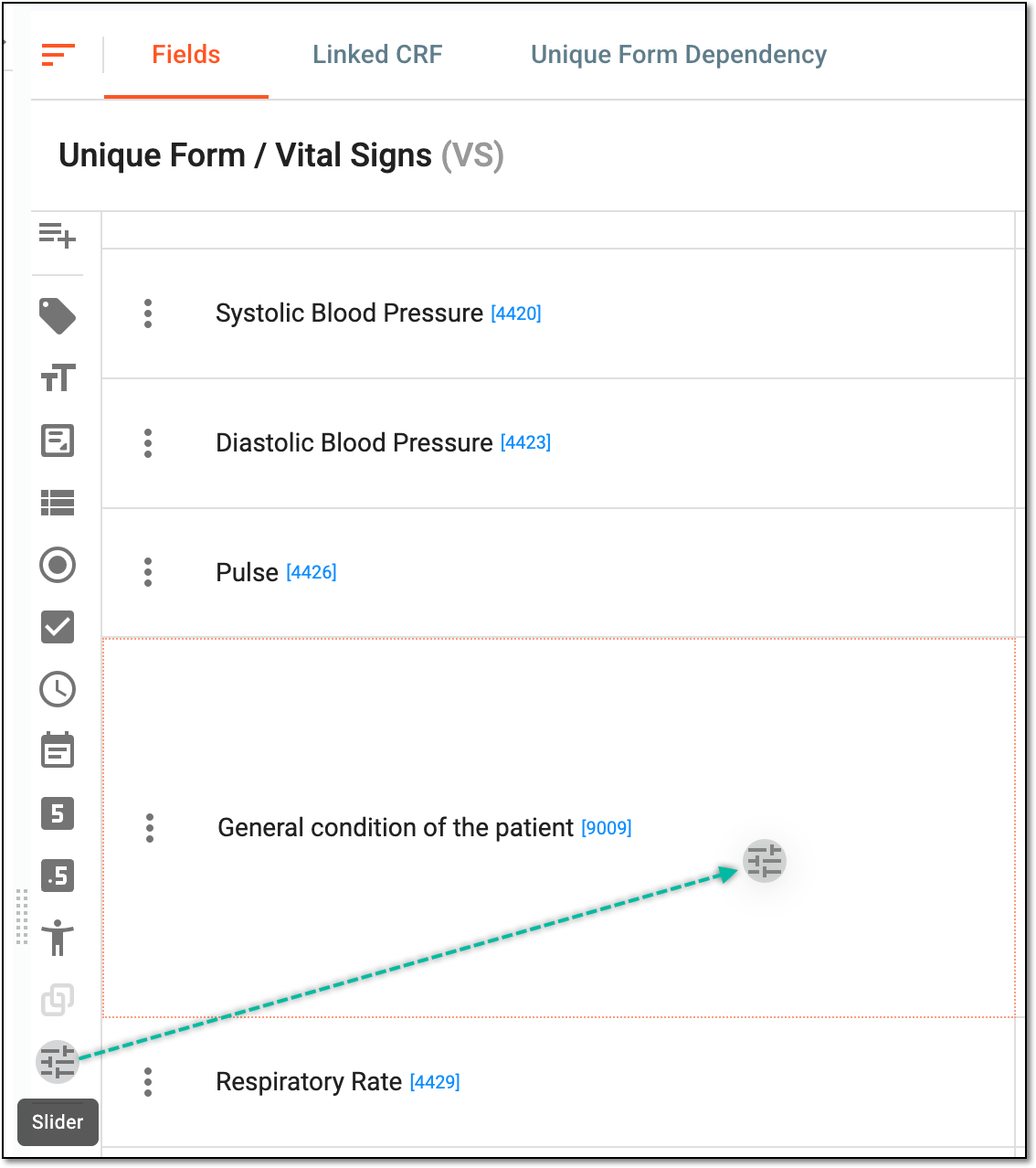 Figure 4. Dragging slider item to question
-
If there has been at least one item already assigned to the question, then next to any item, select More
 >
New Item
>
New Item  .
.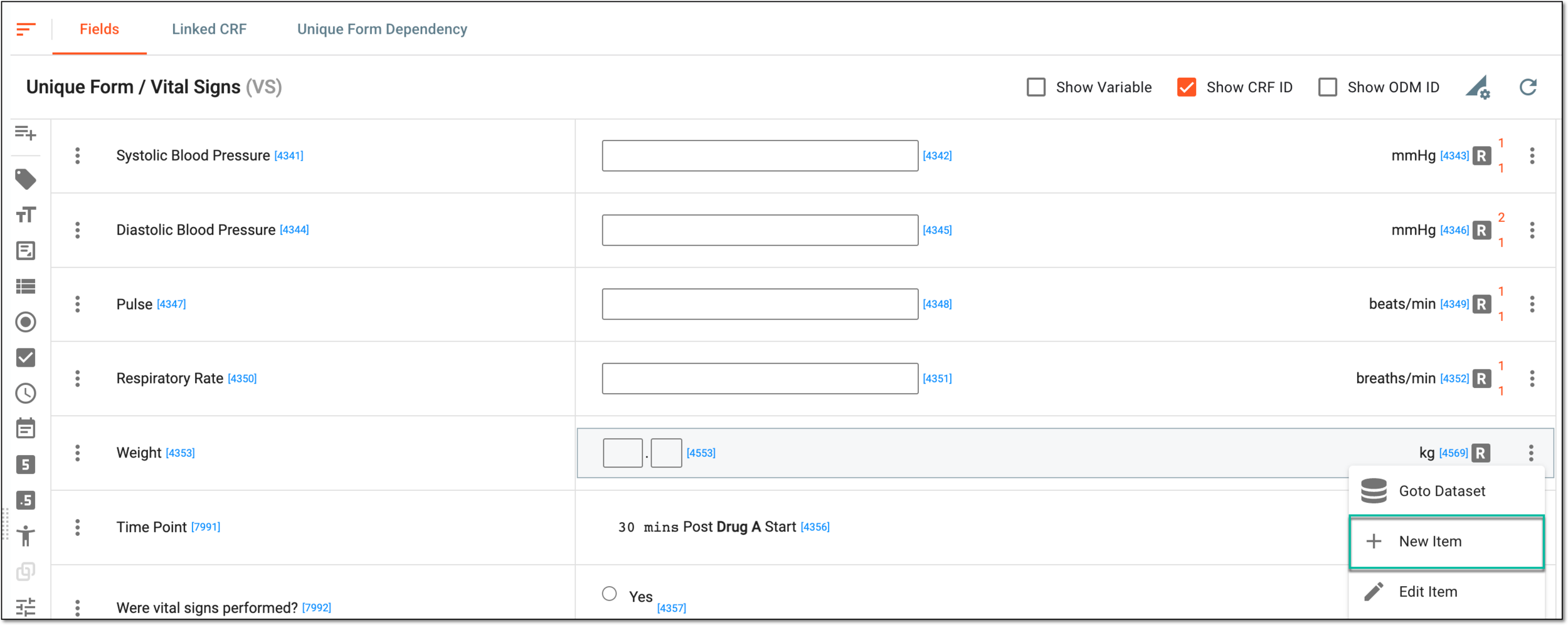 Figure 5. Adding slider to existing item
-
-
In the Add Item panel that expands, under the Generate tab, fill in the general details as explained in the following table.
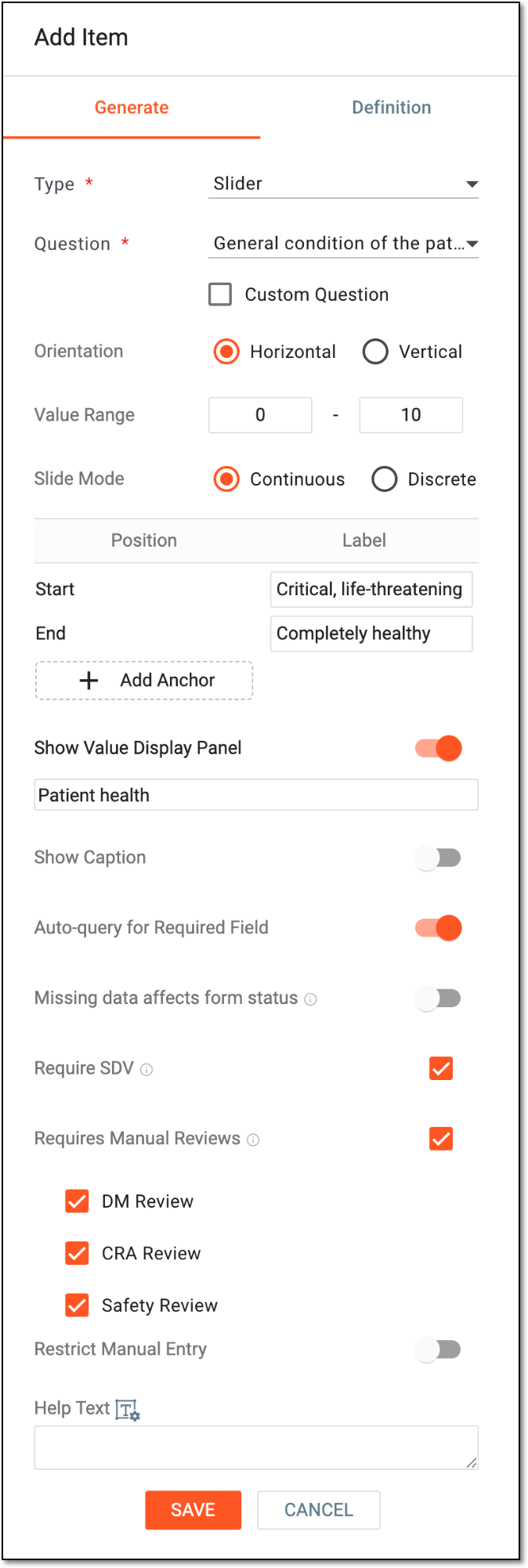 Figure 6. Adding slider item
Tip
In the following table, mandatory elements are marked with an asterisk (*).
Element
Details
Type*
Select the Slider type here.
Question*
Select the question to which the item is being added.
If the Custom Question checkbox is selected, then you need to enter the question text manually.Custom Question
Select this checkbox if you want to add a new custom question along with the created item to the form.
If selected, it is required to enter a custom question text in the Question field.Orientation
Select one of the following:
-
Horizontal: to add a horizontally positioned slider bar to the form.
-
Vertical: to add a vertically positioned slider bar to the form.
Value Range
Enter the minimum and maximum numbers on the slider to outline the evaluation range.
Slide Mode
Select one of the following:
-
Continuous: to add a solid bar and let the user to position the slider at any place needed. This allows for wider range of values, for instance, from 0 to 100.
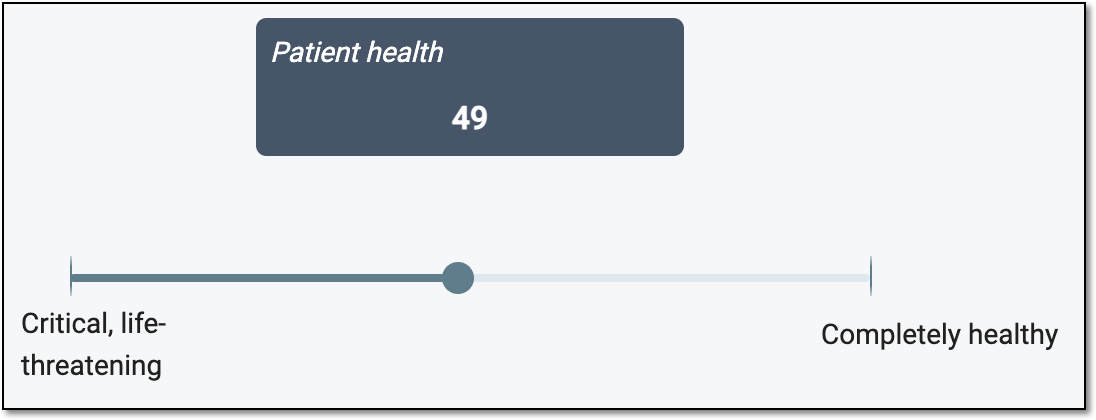 Figure 7. Continuous slider item example
-
Discrete: to add a bar divided into a predefined number of steps and let the user to position the slider only at one of the steps. This allows only for a limited range of values, for instance, from 0 to 10.
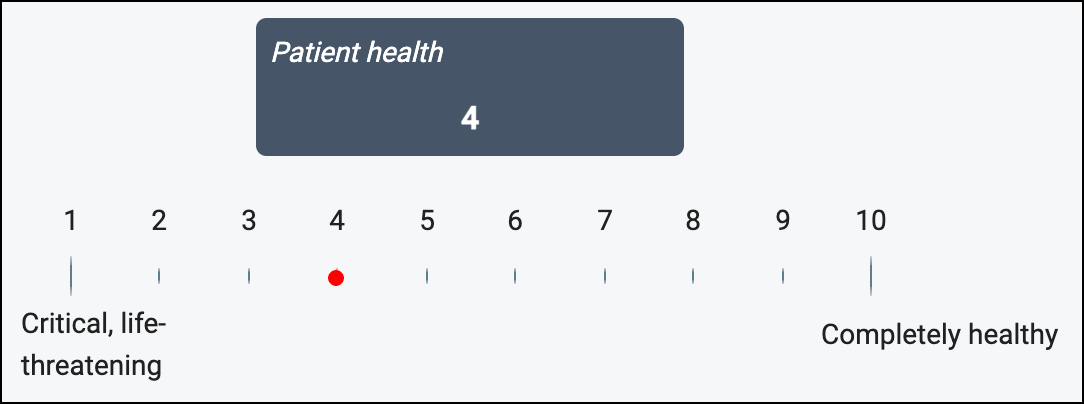 Figure 8. Discrete slider item example
Show Tick Labels
Turn on the toggle to display the step number on the slider bar. Leave the toggle turned off to display the slider bar with no step numbers.
The option is only available for the Discrete slider mode.Position
Represents the name of the slider position on the bar whose label (name) you can customize.
Label
Enter the name of the slider position on the bar.
Add Anchor
Select to add more slider positions on the bar that have their custom labels.
Show Value Display Panel
Turn on the toggle to display the pane that reflects the value of the current slider position on the bar. Leave the toggle turned off not to add such a panel.
Show Caption
Turn on this toggle if you want to show the indicated caption next to the slider item on the form. Leave the toggle turned off to hide the caption text from the form.
Caption
Enter the description for the minimum and maximum number on the slider.
Auto-query for Required Field
Turn on this toggle if you want the field associated with the item to become required for data entry in the EDC system, and submitting the form with this field empty automatically triggers a system query. Leave the toggle turned off if this field can be optional for data entry.
Missing data affects form status
Turn on this toggle if you want the CRF to have the Incomplete status in the EDC system when the data has not been entered in the field associated with the item. Leave the toggle turned off if you do not want this field's status to affect the status of the CRF upon submission.
This toggle becomes available only if the Auto-query for Required Field toggle has been turned on.Require SDV
Select this checkbox to set the source data verification (SDV) stage as mandatory for this data item.
Requires Manual Reviews
Select the checkbox next to the needed review stage to set it as mandatory for this data item. The available options are DM Review for the data manager review, CRA Review for the clinical research associate review, and Safety Review for the safety team review.
Restrict Manual Entry
Turn this toggle on if you want to prevent manual data entry to the field for all users except for those for whom restricted data editing is allowed in EDC. Leave the toggle turned off if you do not need to arrange specific data entry restrictions for this element.
Help Text
Enter additional information, instructions, or clarification about the item, such as details on how to answer a corresponding question or what data is collected in the field.
Rich Text
Select
 next to the Help Text field to open the text editor dialog and style your text as needed using the available formatting tools. The rich text you apply defines how your question text is displayed in the CRF
when it is completed via EDC,
eDiary, or eCOA.
next to the Help Text field to open the text editor dialog and style your text as needed using the available formatting tools. The rich text you apply defines how your question text is displayed in the CRF
when it is completed via EDC,
eDiary, or eCOA.SAVE
Select
 to add the item to the question.
This button is available only if the variable definition for the item has been specified.CANCEL
Select
 to cancel adding the item.
 -
-
In the same Add Item panel, go to the Definition tab to specify the variable definition for the item as explained in the following table.
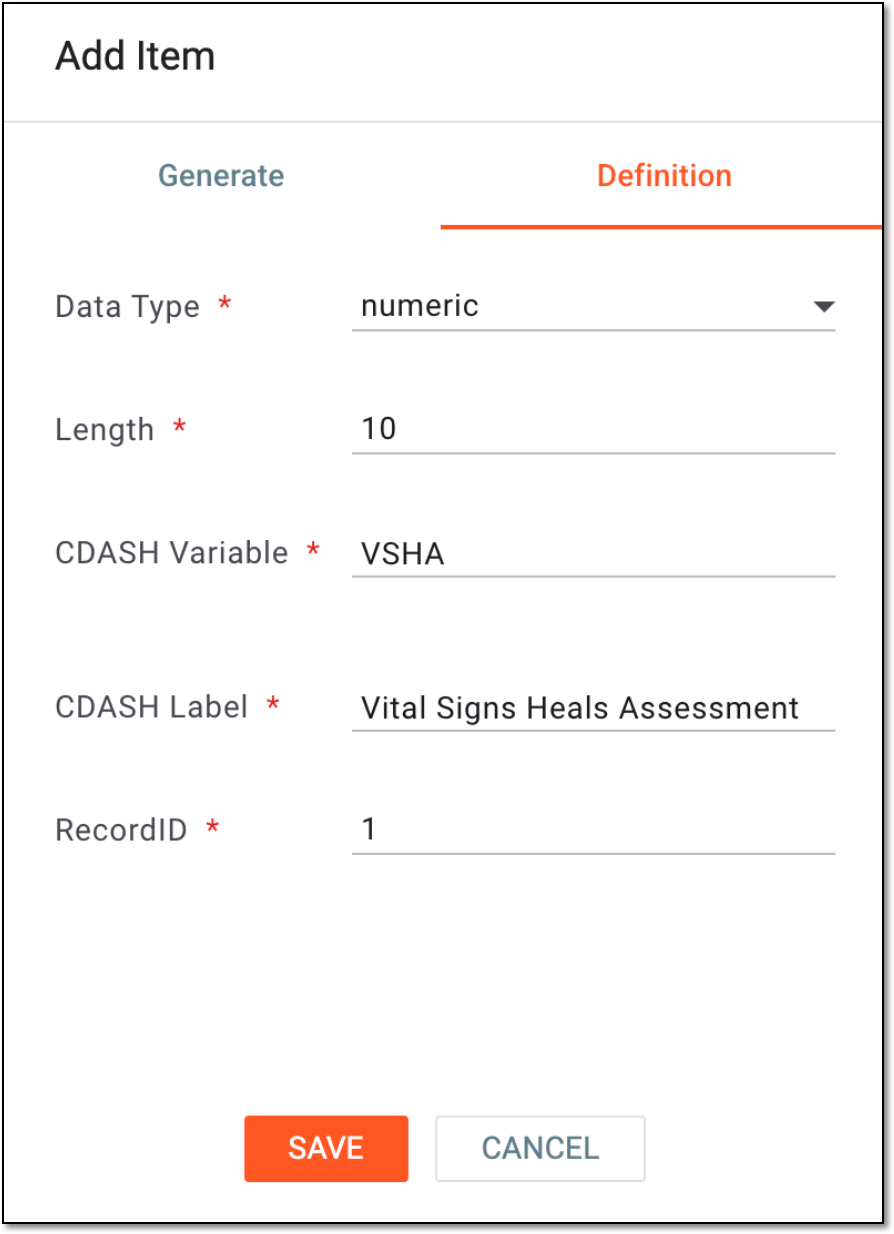 Figure 9. Specifying variable definition for slider item
Important
All fields in the following table are required and marked with an asterisk (*) because the slider item must be associated with the variable that captures the data entered in EDC.
Element
Details
Data Type*
Select the type of data that is to be collected for a corresponding question. The data type is usually preselected by the system but can be changed depending on the allowed data types for the selected CDASH variable.
Length*
Enter the maximum number of characters or digits that the field can capture when entering data in EDC. The length is usually defined by the system according to the selected CDASH variable but can be updated.
CDASH Variable*
Enter the name of the CDASH variable that is to capture data specified in a corresponding field in EDC. You can either select one of the available domain variables or enter a name for the custom one. The field only supports uppercase letters, numbers, and underscores.
CDASH Label*
Enter the label for the CDASH variable that is to capture data entered in a corresponding field in EDC. The label is usually defined by the system according to the selected CDASH variable but can be updated.
As per the CDISC standard, the maximum length of the CDASH label is 256 characters. The system shows a prompt if you surpass this number when entering the CDASH label. Then, when saving the label item setting, the system
                                  checks for the variable suffix setting and adds its characters to those entered for the CDASH label here to verify if the combination of them does not
                                  surpass 256. If it does, you need to shorten the CDASH label value before saving.
RecordID*
Enter the record number that enables different fields on the form associated with the same variable to capture data records in separate rows. These records will be presented accordingly in the output dataset upon data entry in EDC.
For example, in the Vital Signs form, you have the questions "Pulse", "Temperature", and "Respiratory Rate". The text item is assigned to all three questions and it is specified that the VSORRES variable is to capture the corresponding data.
In order to distinguish the collected vital sign results in a more organized manner, you can assign "record ID = 1" to the text item of the "Pulse" question, "record ID = 2" to the text item of the "Temperature" question, and "record ID = 3" to the text item of the "Respiratory Rate" question. In such a way, the captured results will be displayed in separate record rows in the output dataset.
Moreover, you can enter record IDs separated by commas if you want the specific data point to repeat in the output dataset.
For example, you can specify record ID = 1,2,3 for the label item Predose assigned to the Time Point question in the same Vital Signs form. This item is associated with the VSTPT variable which means that the Predose label will be displayed in 1, 2, and 3 record rows along with the pulse, temperature, and respiratory rate vital sign results.
SAVE
Select
to add the item with the specified variable definition to the question.CANCEL
Select
to cancel adding the item.
Once saved, the slider item is added to the form question. You can now continue to maintain forms with available actions.