View visit completion timeliness report
The visit completion timeliness refers to the measurement of the time it takes to complete study visits. Visits are typically scheduled at specific intervals, and participants are expected to attend these visits to receive study-related interventions, provide data through surveys or tests, or both. The visit completion timeliness KRI measures how promptly study visits are completed, relative to the scheduled date and time.
For example, if a study visit is scheduled to occur on day 30 of a study, but a participant only attends on day 40, then the visit completion timeliness KRI for that visit is 10 days late. By tracking this KRI, researchers can identify potential barriers to the timely completion of study visits, such as scheduling conflicts or transportation issues, and take steps to address these barriers to improve overall study efficiency.
The statistics presented in the Visit Completion Timeliness report are pulled from the CTMS application based on the number of KRIs created with the Data Entry Timeliness category and have the risk indicator related to the visit completion. These statistics include the data on the total visit data entry completed per site, the average elapsed days of visit completion, and so on.
-
In the EDC application header, select the REPORTS tab.
-
In the left pane of the page that opens, expand the KRI-Central Monitoring tab to see the list of available reports.
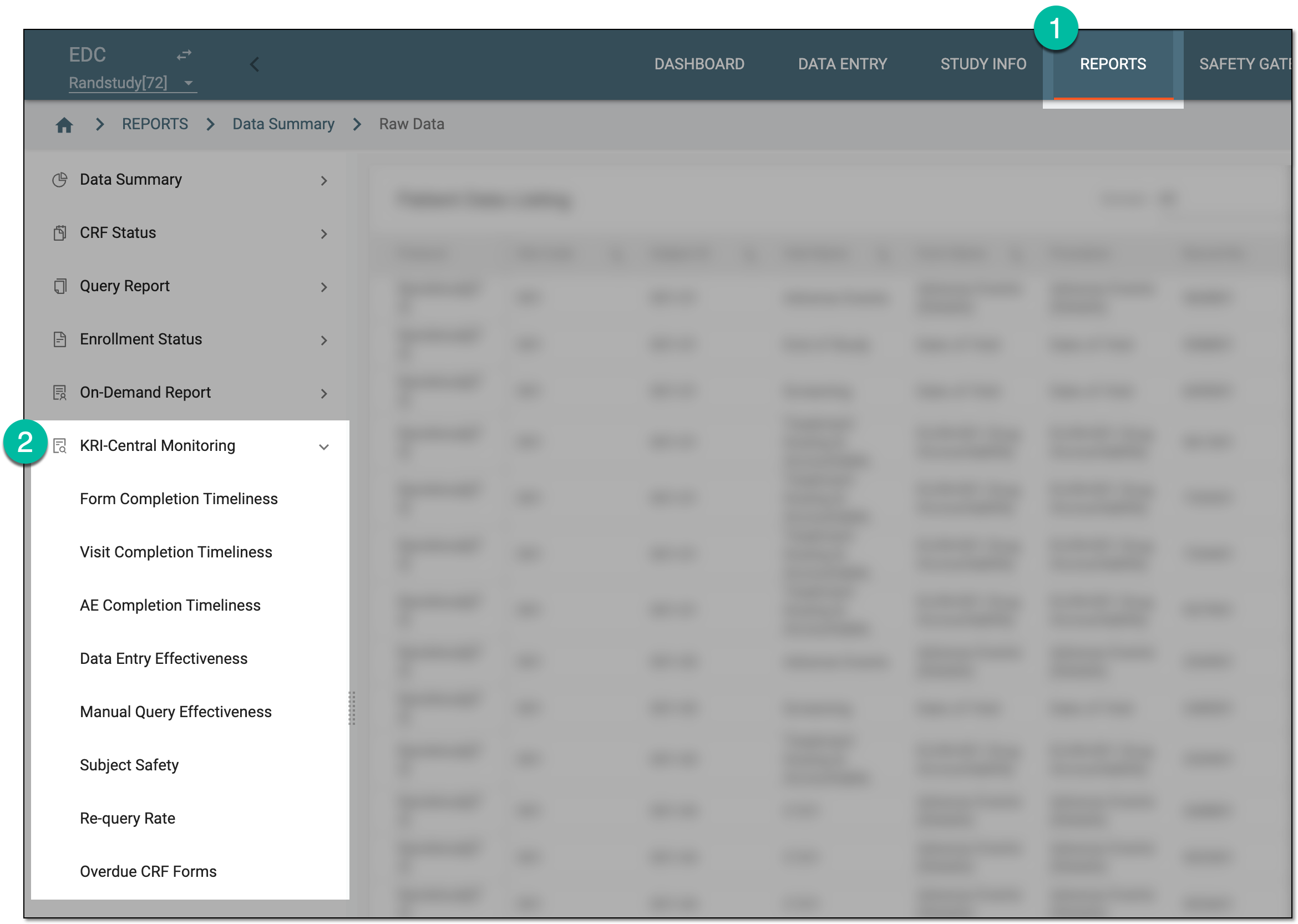 Figure 1. Accessing KRI report group
-
From the list that appears, select Visit Completion Timeliness.
-
In the Summary tab that opens, view the summary statistics on visit completion timeliness as explained in the following table.
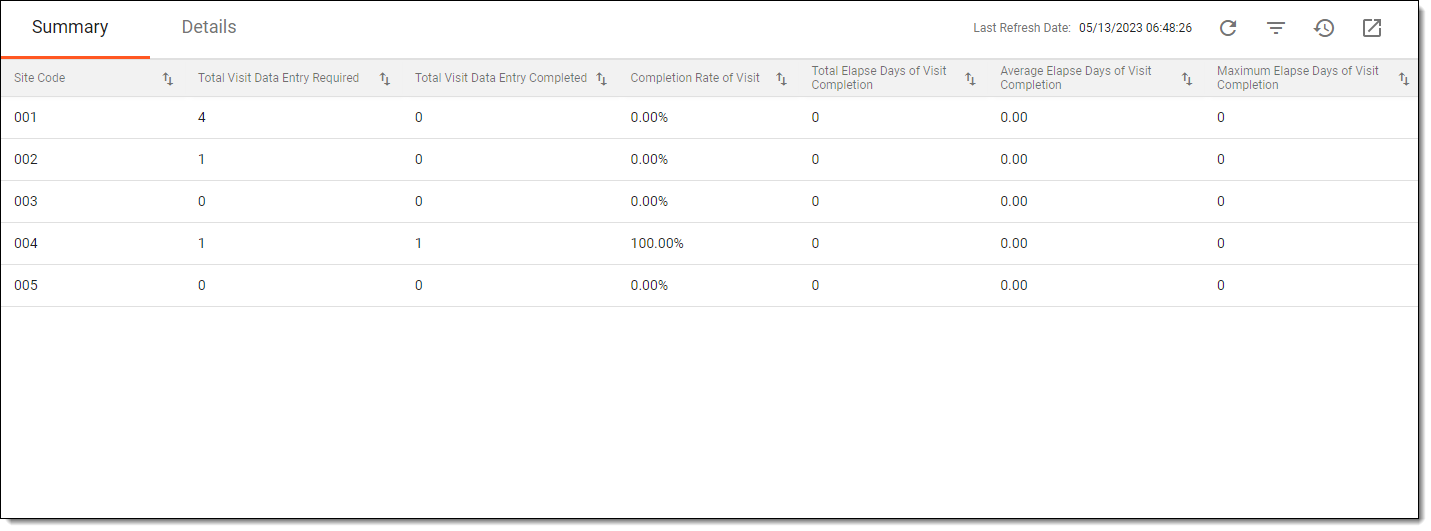 Figure 2. Viewing summary of visit completion timeliness
Important
There may be no data available in the report or if the data is not the latest, then from the workspace toolbar, select Refresh
 to to pull the most recent data from CTMS.
Element
Details
Site Code
Represents the unique identifier of the site for which you are analyzing the information related to completed visits.
Total Visit Data Entry Required
Represents the total number of visits at a particular site that need electronic data capture in the DATA ENTRY module.
Total Visit Data Entry Completed
Represents the total number of visits at a particular site whose entire data is achieved.
Completion Rate of Visit
Represents the completed visits rate based on the total number of visits that require data completion and the total number of visits whose data is completed.
The rate is calculated using the following formula:
Total visits whose data entry is completed in a particular site / Total visits whose data entry is required in a particular site
Total Elapse Days of Visit Completion
Represents the total number of days it took to complete all the visits at a particular site. It counts the days that passed since the subjects came to the site for treatment to the days when all the procedures were completed so that they were available for the next procedures.
Average Elapse Days of Visit Completion
Represents the mean of the number of days it took to complete and submit all the visits.
The average is calculated using the following formula:
Total number of elapsed days of all the visits completion of a particular site / Total number of completed visits of a particular site
Maximum Elapse Days of Visit Completion
Represents the highest number of days a visit took for its completion.
-
Then, switch to the Details tab to view the detailed statistics on visit completion as explained in the following table.
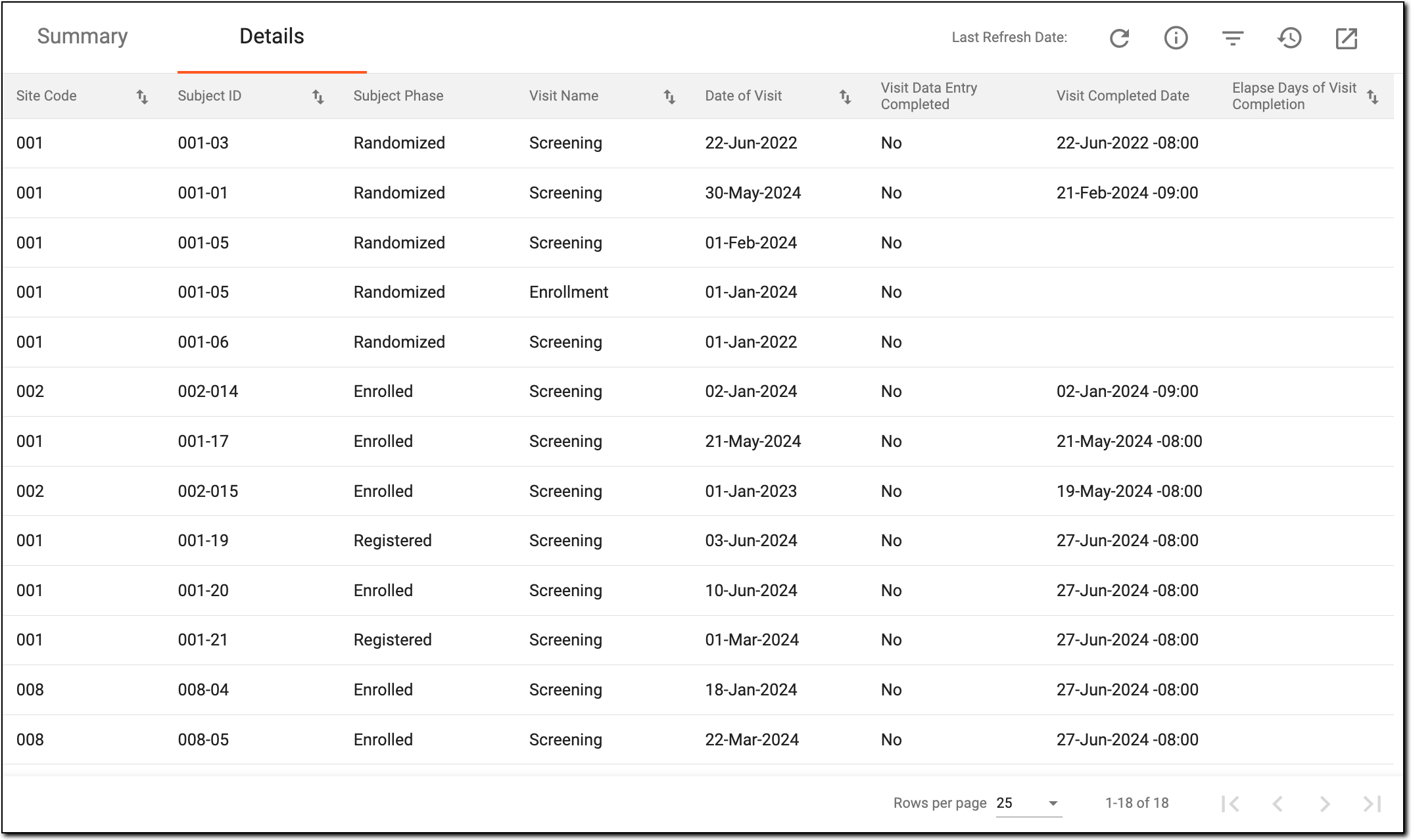 Figure 3. Viewing details of visit completion timeliness
Element
Details
Site Code
Represents the unique identifier of the site where the visit is to happen or has already occurred.
[Unique ID Label]
Represents the unique identifier of the subject who is to perform or has already accomplished a visit to the site.
The column name depends on the unique ID label configuration of your study in IWRS.If there are additional IDs configured for your study, you see as many such columns as there are IDs.Subject Phase
Represents the subject phase at which the visit is scheduled or has occurred, for example, Enrolled, Randomized, Completed, and so on.
Visit Name
Represents the name of the visit whose completion details are being analyzed.
Date of Visit
Represents the date when the visit took or is to take place.
Visit Data Entry Completed
Represents whether the data required for visit completion is captured.
Visit Completed Date
Represents the date when the visit is completed. If the visit is not completed, then this field remains blank.
Elapse Days of Visit Completion
Represents the number of days it took for the visit to be completed. It includes the days passed since the subject came to the site for treatment to the days when all the procedures were completed so that it was available for the next procedures.
You have viewed the visit completion timeliness report. You can also export the report as an XLSX file and work with it offline on your computer.
An occurrence in a clinical trial in which the subject comes to a site to receive treatment, undergo some tests, or complete other required procedures.
An eClinical application that is mainly used to manage and control the personnel, communication, budget, progress, expenses, documents, and declaration involved in the entire clinical trial. It provides study and site management, study quality control, study progress tracking, project management, risk management, reports, and a visualized dashboard.
Get to know all the possibilities of the app with the comprehensive CTMS User Guide.
An eClinical application that represents unified and configurable subject randomization and trial supply management tool for subject grouping, drug inventories, shipments, and dispensations, as well as other vital processes during a clinical trial.
Get to know all the possibilities of the app with the comprehensive IWRS User Guide.
A specific phase that a subject has to complete in the course of a clinical trial to move further to the next phase. For instance, Screening, Enrolled, Randomized, and others.
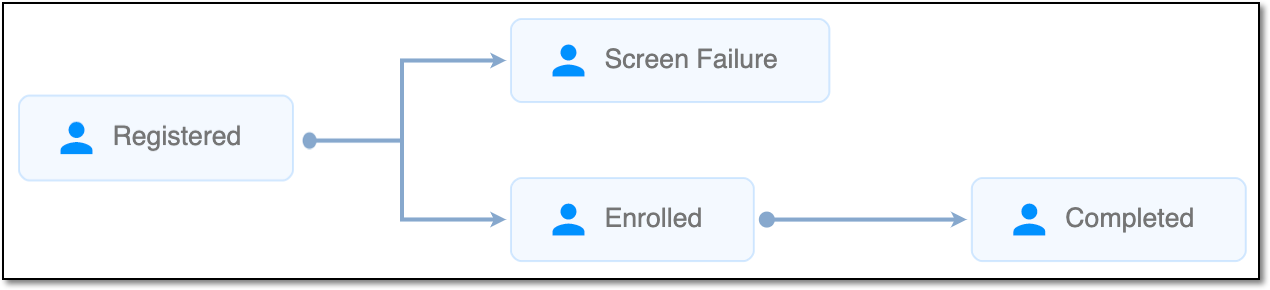 |
In eClinical, subject phases are designed individually for each study via the SD application, although they are referenced in others, like IWRS or EDC.