Push CRF version to UAT
A CRF stands for case report form, a document used in clinical trials to collect and record study data. As the trial evolves, new insights or challenges may emerge, requiring changes to the CRF. These modifications, especially after data collection has commenced in the EDC system, lead to what is known as versioning. This process involves adapting the CRF to new protocol requirements or data collection processes during the clinical trial.
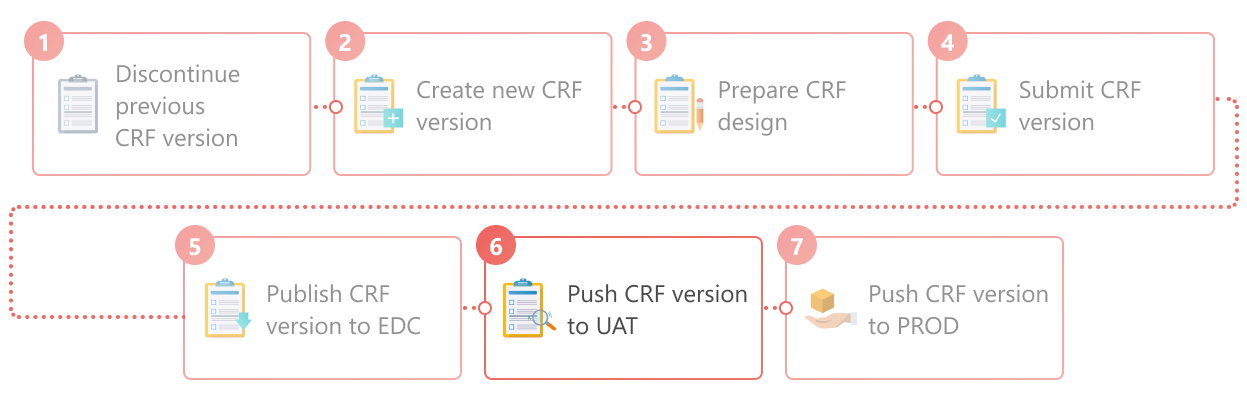
When maintaining CRF versions, you can push the most recently submitted one to the UAT lifecycle. In the UAT lifecycle, you can conduct comprehensive testing in conditions that simulate actual trial operations, verifying that all modifications to the CRF version function correctly and it is ready for collection or real study data.
Important
To push the CRF version for a substudy to another lifecycle, ensure that the master study CRF version is already pushed to that target lifecycle, otherwise, you cannot complete the procedure.
-
In the Study Designer application header, select the VERSIONING tab.
 Figure 2. Accessing CRF versions
-
From the workspace toolbar of the Version Information table that appears, select the DEV lifecycle and needed role.
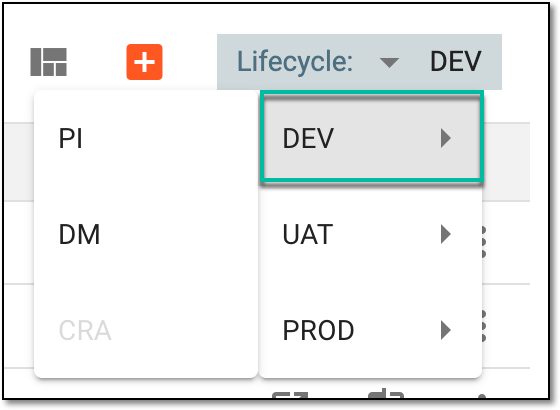 Figure 3. Selecting DEV lifecycle and role
-
In the Version Information table, next to the submitted CRF version, select
 .
.Important
When pushing a CRF version for a substudy to another lifecycle, the system checks if the master study CRF version is already pushed to that target lifecycle. If not, then the error message appears and you cannot take further actions of the procedure.
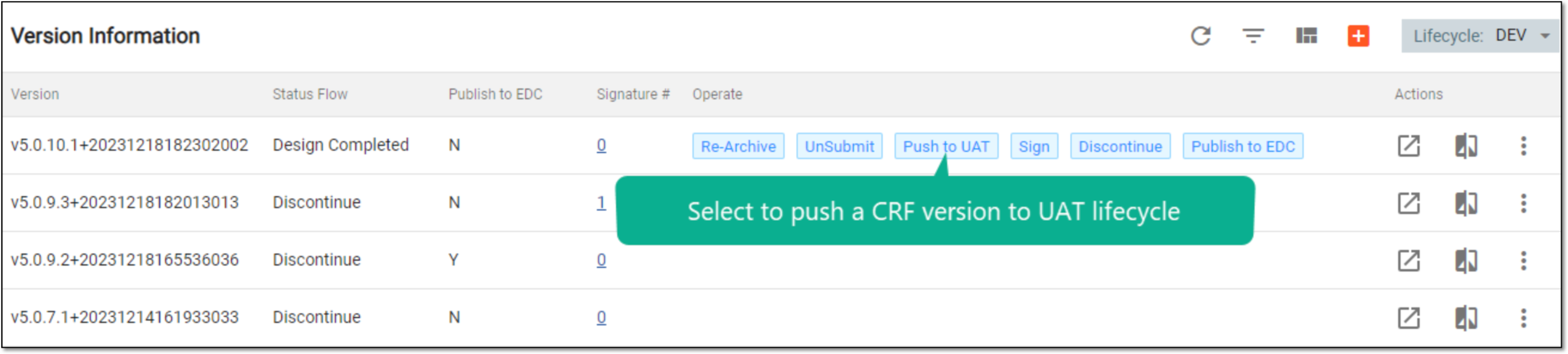 Figure 4. Selecting to push CRF version to UAT
-
In the Signature info dialog that appears, select
 to confirm that the necessary CRF version signatures have been submitted in
the DEV lifecycle.
to confirm that the necessary CRF version signatures have been submitted in
the DEV lifecycle.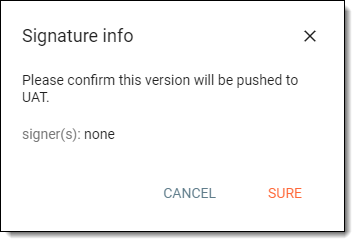 Figure 5. Confirming CRF version signatures
Tip
The CRF version can be signed by a clinical trial manager or a regulatory affairs specialist before it is pushed to the next lifecycle.
-
In the Push to UAT dialog that appears, enter a comment explaining the reason for pushing this CRF version to the UAT lifecycle, and then select
 .
.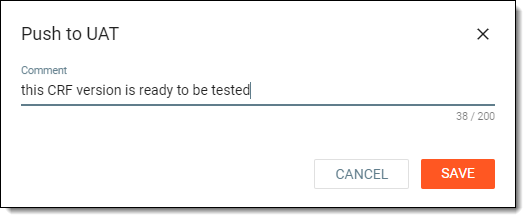 Figure 6. Confirming CRF version push to UAT
Once saved, the CRF version is pushed to the UAT lifecycle. You can now publish this version to EDC to be tested.